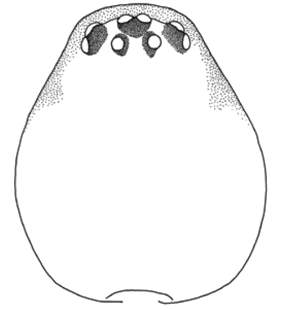
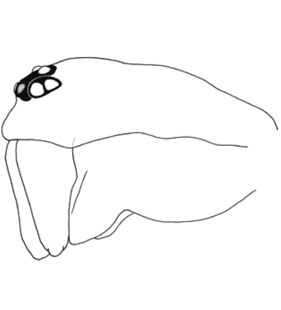
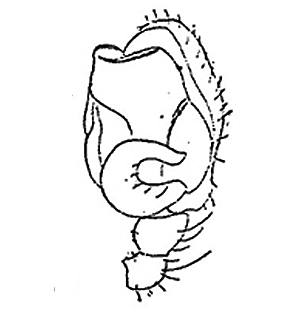
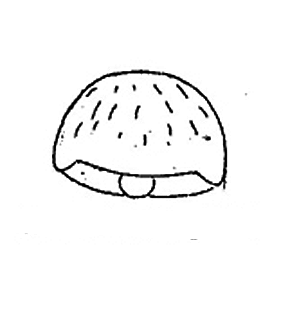
Linyphiidae: Bathyphantes Menge, 1866
|
In case you find an error or have a specific suggestion, please follow this link: click
|
|||||||||||
| 1 |
Males | ||||||||||
| - | Females | ||||||||||
| 2 (1)
|
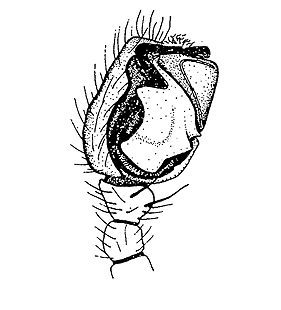
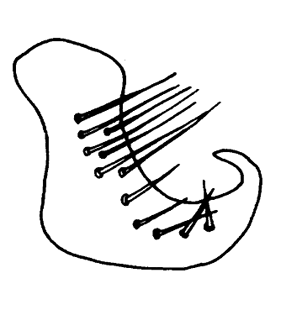
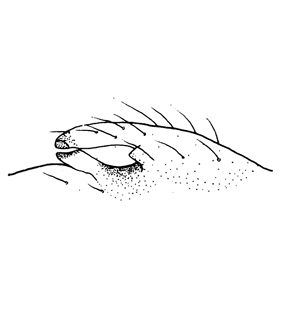
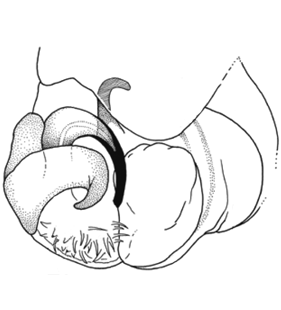
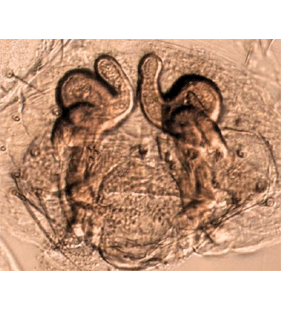
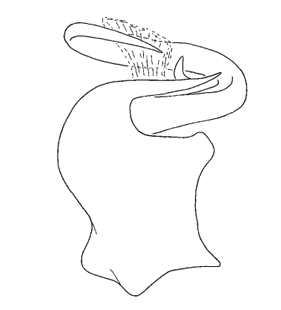
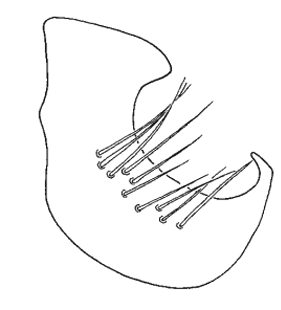
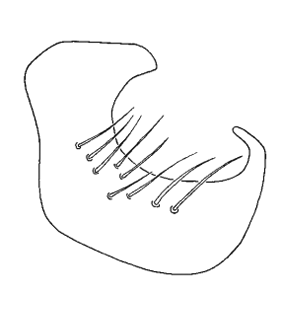
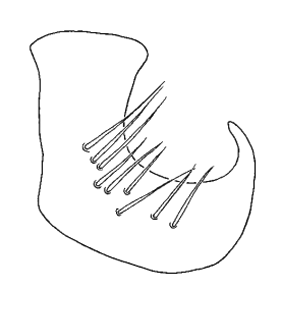
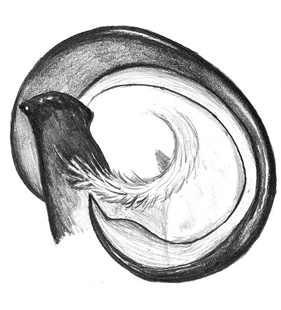
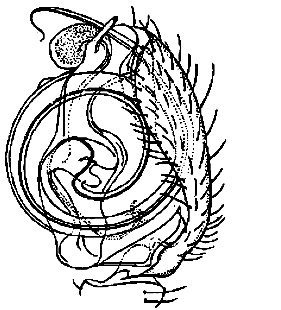
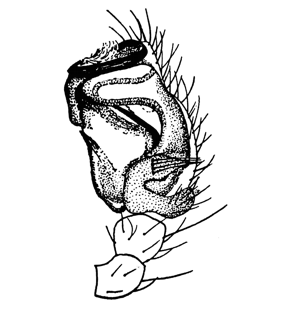
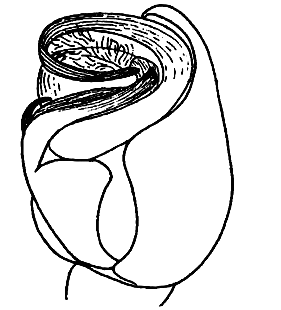
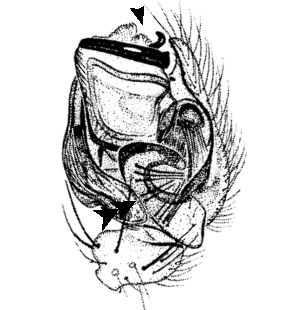
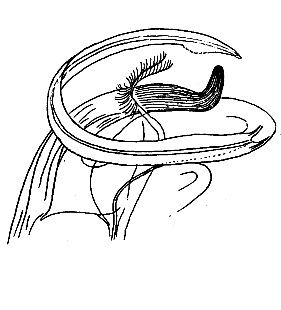
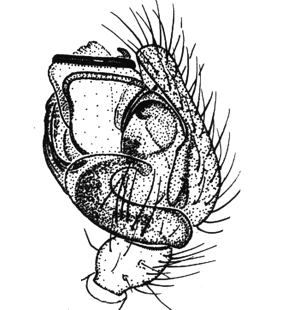
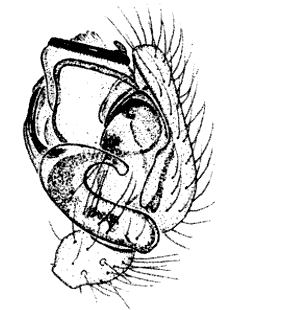
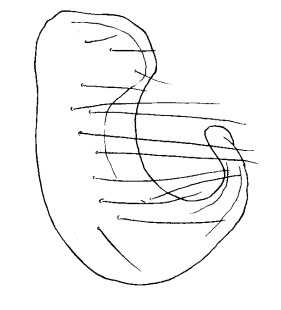
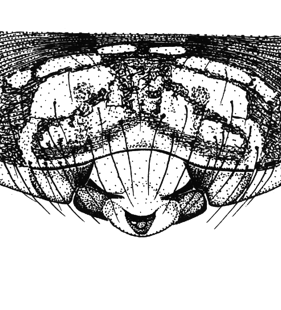
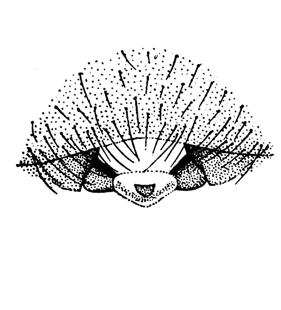
Embolus forming a very large loop, longitudinal to cymbium; anterior cheliceral furrow margin with 3, posterior margin with 4 denticles Bathyphantes approximatus (O. Pickard-Cambridge, 1871)
|
| |||||||||
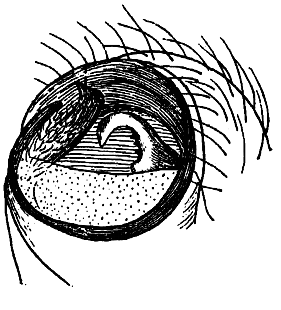
| - | Embolic loop transverse to cymbium, on distal end of pedipalp | ||||||||||
| 3 (2)
|
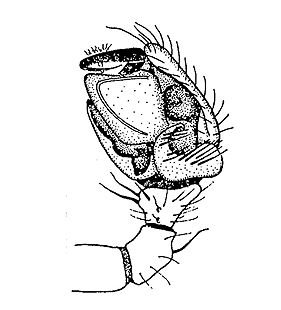
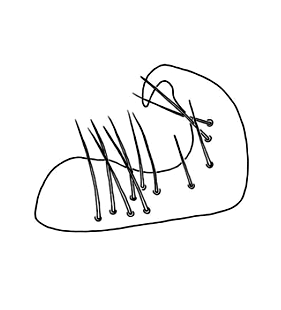
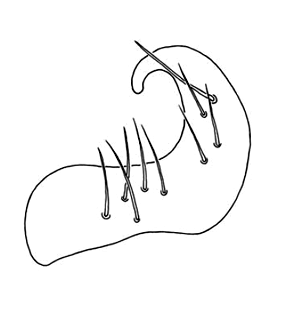
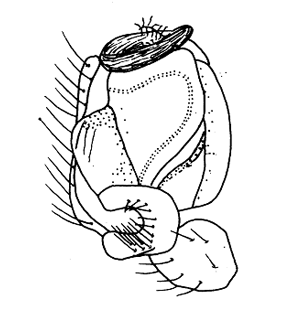
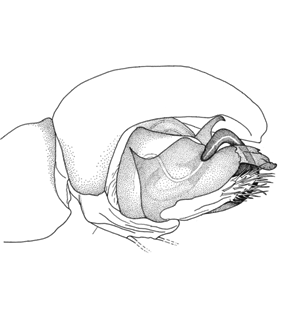
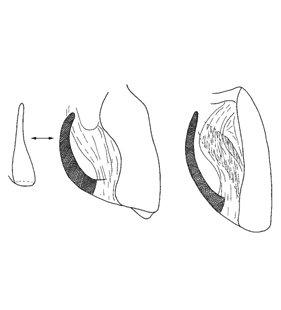
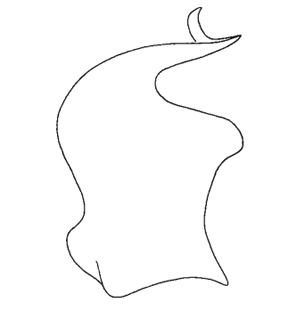
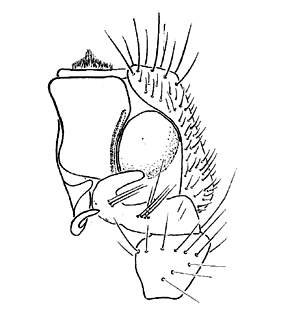
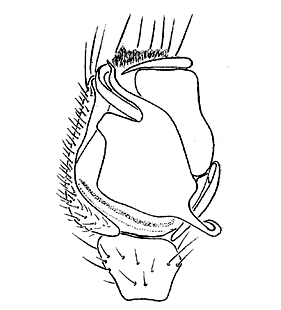
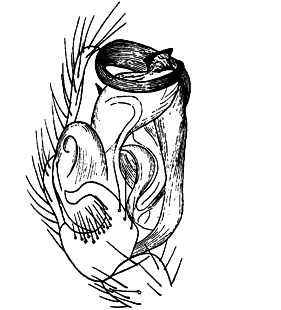
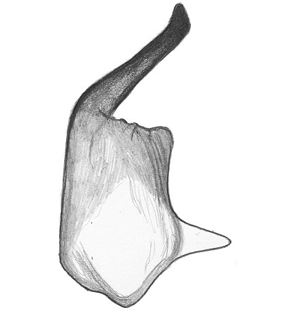
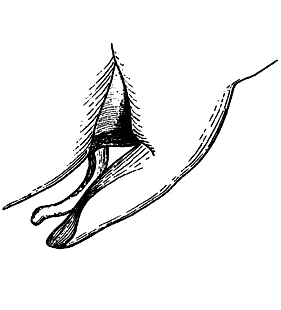
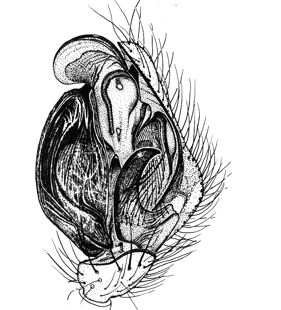
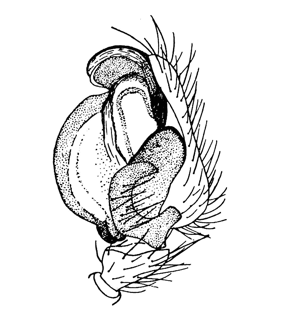
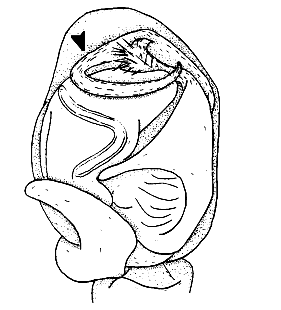
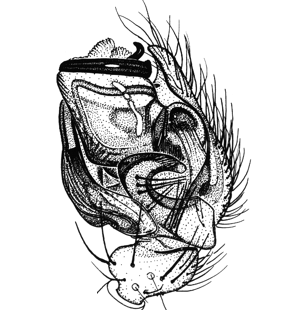
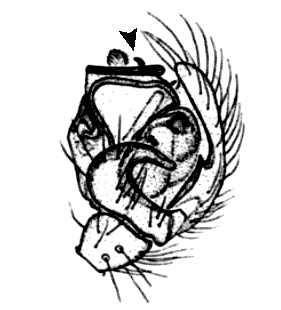
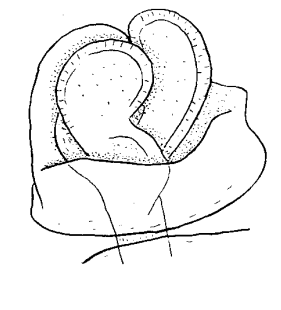
Bulbus with long, pointed apophysis (its base mostly covered by paracymbium); tegular apophysis as fig.; chelicerae with 3 denticles each on anterior and posterior cheliceral furrow margin Bathyphantes setiger F. O. Pickard-Cambridge, 1894
|
| |||||||||
| - | Male pedipalp without pointed apophysis on bulbus | ||||||||||
| 4 (3) |
Body length 3-4 mm | ||||||||||
| - | Body length < 3 mm | ||||||||||
| 5 (4)
|
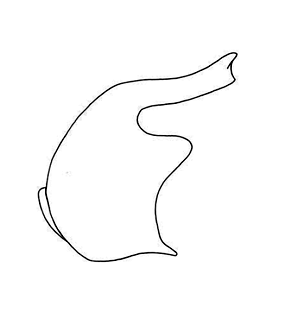
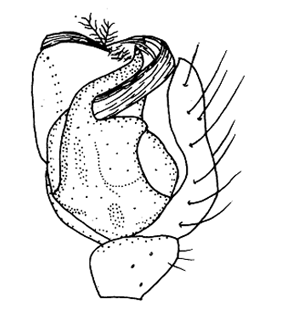
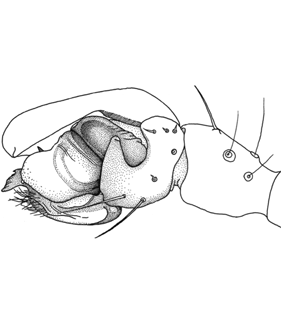
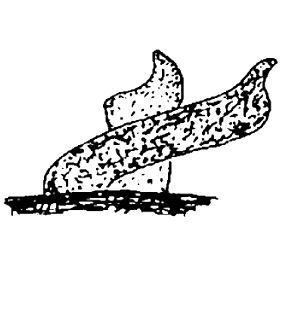
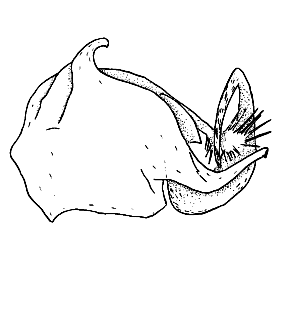
Body length about 3 mm; Pedipalp with tegular apophysis as fig. Bathyphantes similis Kulczyński, 1894
|
| |||||||||
| 6 (4)
|
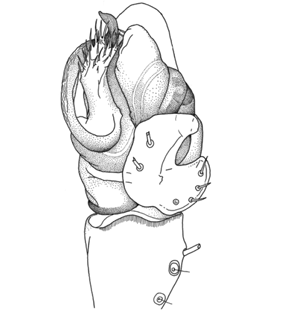
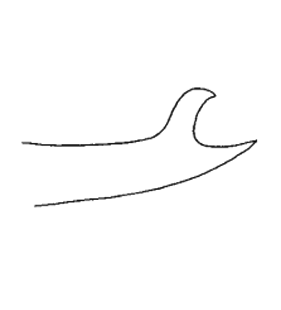
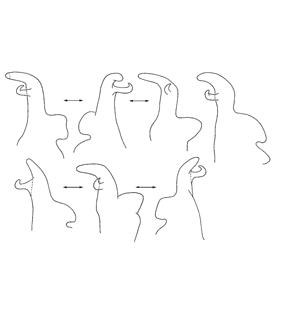
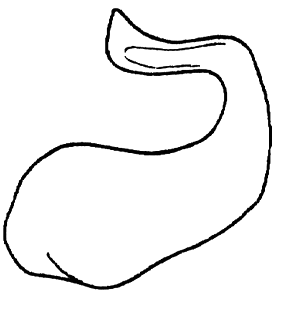
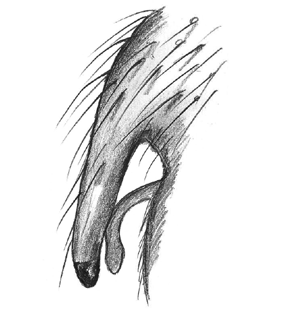
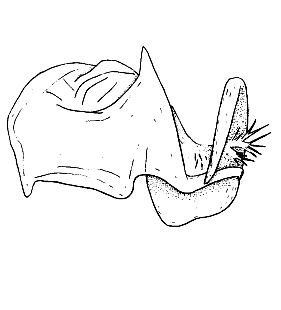
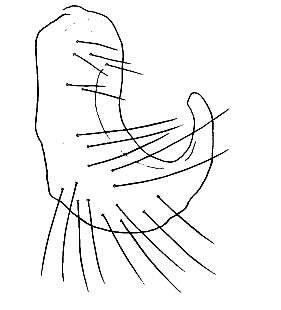
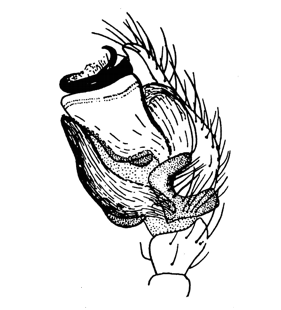
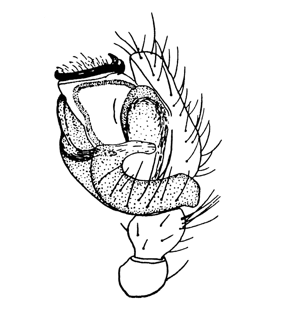
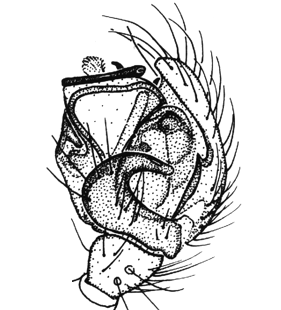
Tegular apophysis on male pedipalp with rectangularly bent tip; outer margin of paracymbium appearing angular; anterior cheliceral furrow margin with 3, posterior margin with 5 denticles Bathyphantes nigrinus (Westring, 1851)
|
| |||||||||
| - | Tip of tegular apophysis not rectangularly bent | ||||||||||
| 7 (6)
|
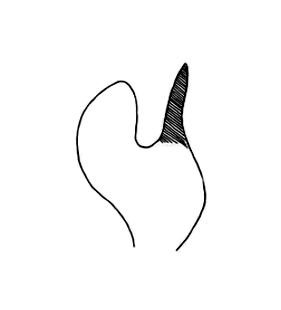
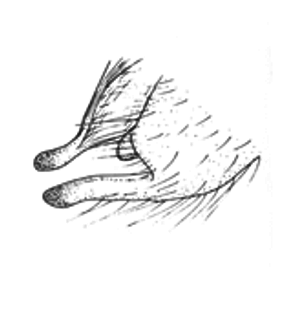
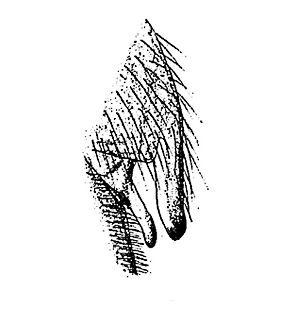
Male pedipalp with tegular apophysis tapering to a tip; chelicerae with 3 denticles each on anterior and posterior cheliceral margin Bathyphantes parvulus (Westring, 1851)
|
| |||||||||
| -
|
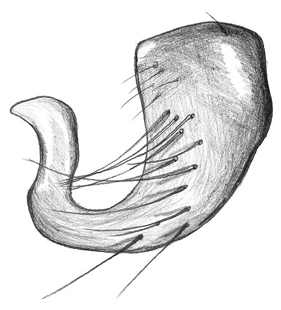
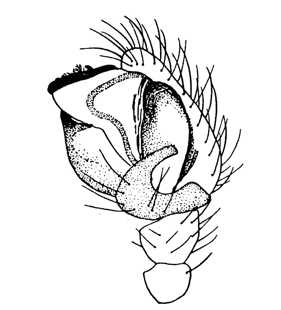
Tegular apophysis of male pedipalp transversely truncated distally Bathyphantes gracilis (Blackwall, 1841)
|
| |||||||||
| 8 (1)
|
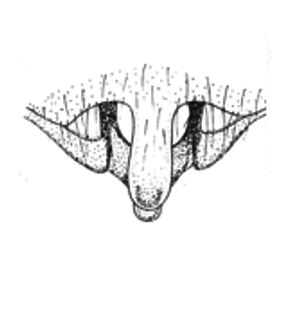
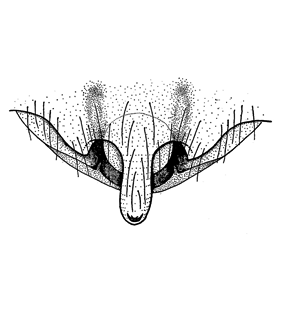
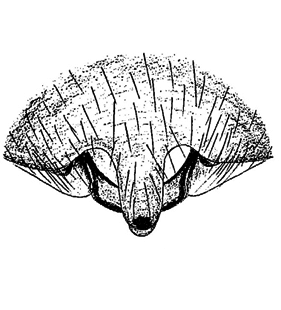
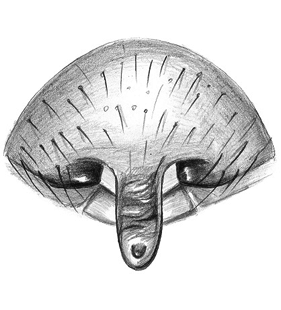
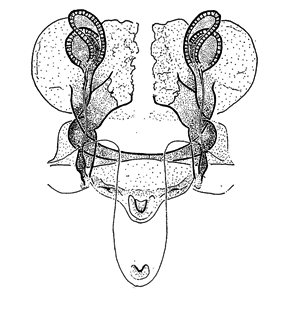
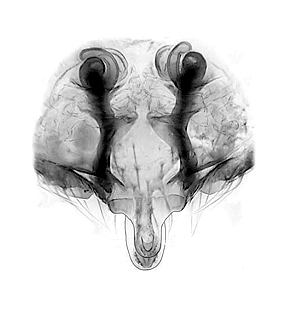
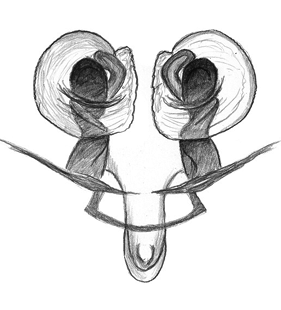
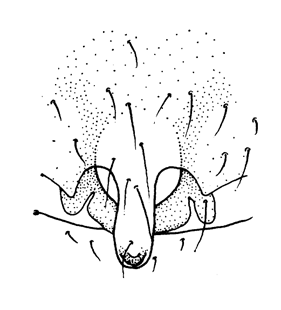
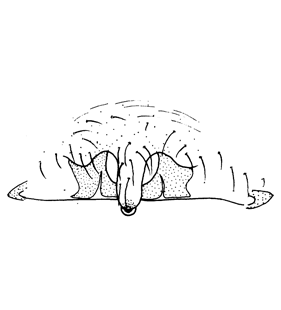
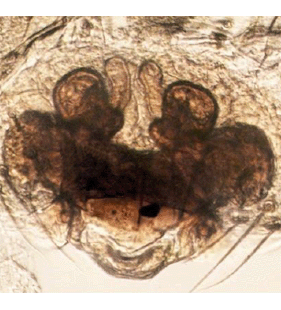
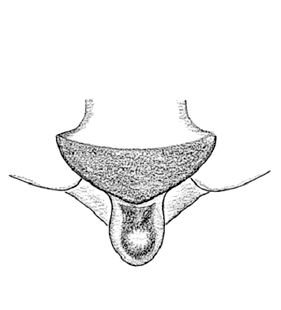
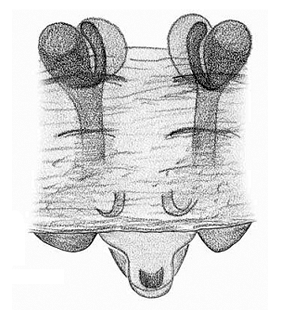
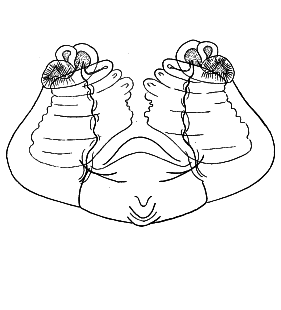
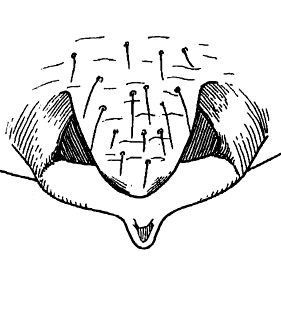
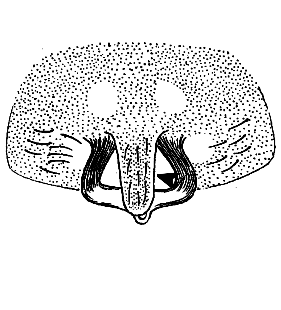
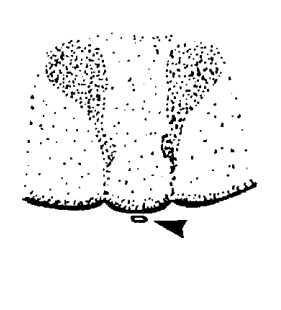
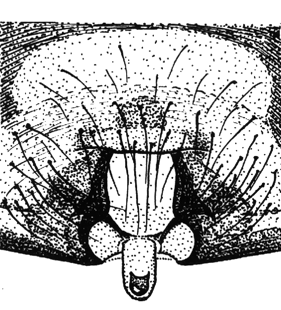
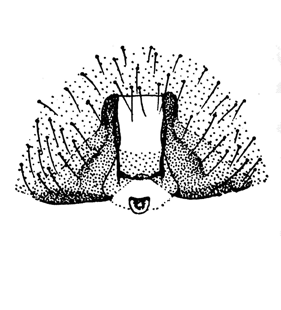
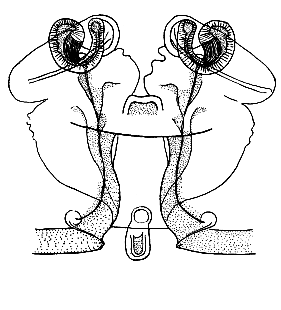
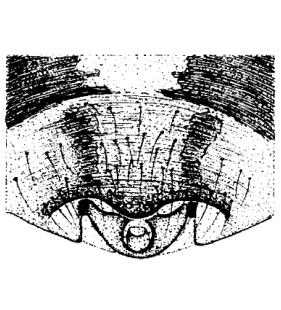
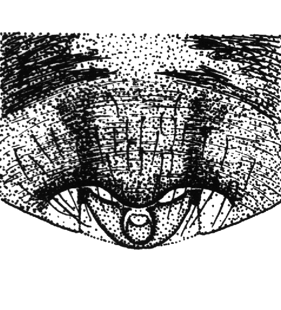
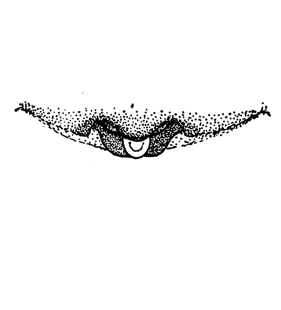
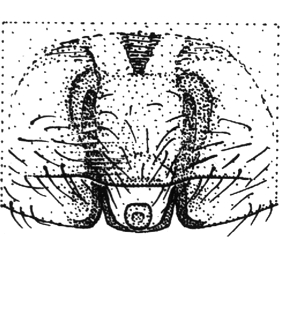
Scapus of epigyne large, ± as long as wide Bathyphantes approximatus (O. Pickard-Cambridge, 1871)
|
| |||||||||
| - | Scapus of epigyne small or longer than wide | ||||||||||
| 9 (8) |
Anterior epigynal margin elongated to a long process, backwardly projecting | ||||||||||
| - | Anterior epigynal margin straight, without process | ||||||||||
| 10 (9)
|
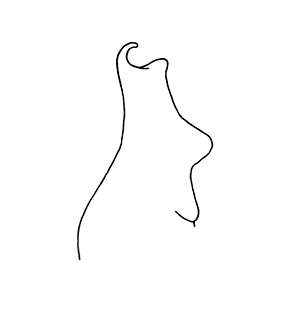
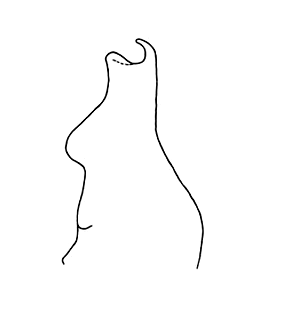
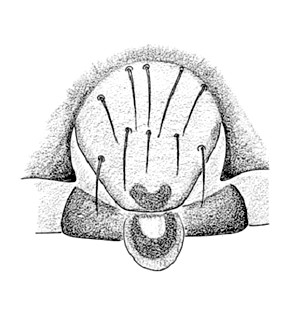
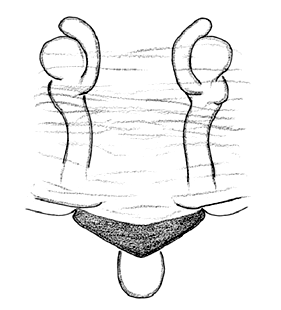
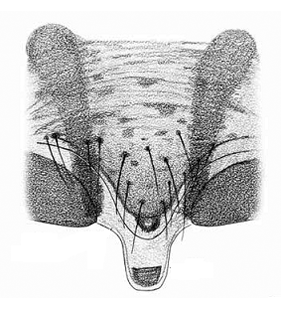
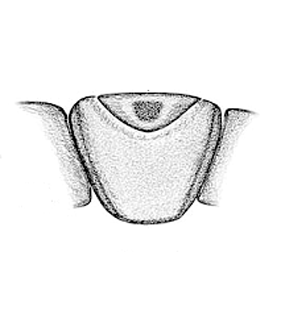
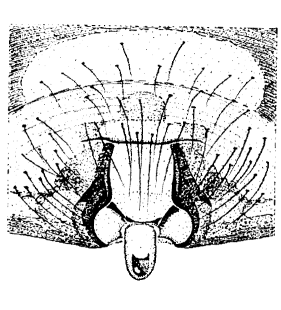
Epigynal groove ± square; scapus very small; chelicerae with 3 denticles on anterior and 5 denticles on posterior cheliceral furrow margin Bathyphantes setiger F. O. Pickard-Cambridge, 1894
|
| |||||||||
| 11 (9)
|
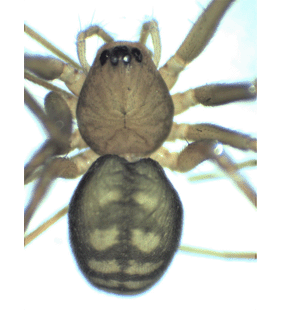
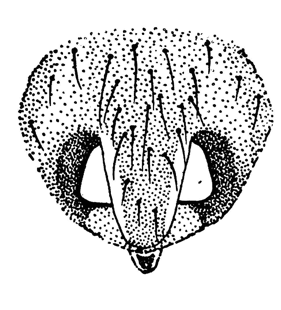
Body length about 3 mm; epigyne very simple, only tip of scapus visible Bathyphantes similis Kulczyński, 1894
|
| |||||||||
| - | Body length < 3.0 mm | ||||||||||
| 12 (11)
|
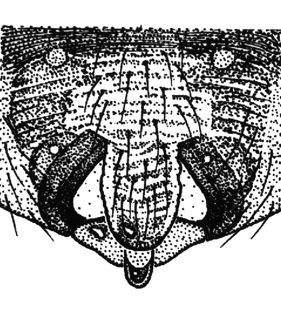
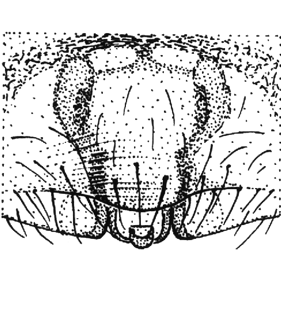
Epigynal groove longer than wide; scapus narrow and long; anterior cheliceral furrow margin with 3 denticles, posterior margin with 5 denticles Bathyphantes nigrinus (Westring, 1851)
|
| |||||||||
| - | Epigynal groove wider than long | ||||||||||
| 13 (12)
|
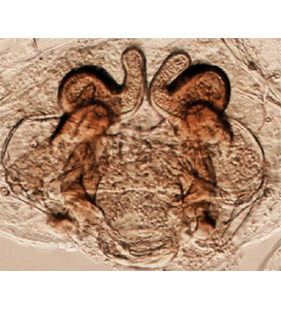
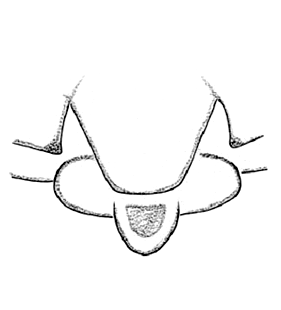
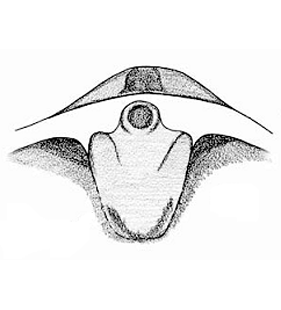
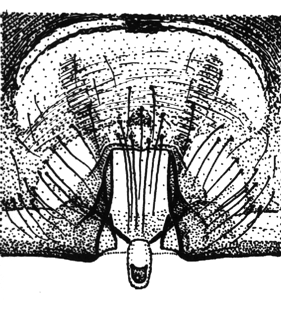
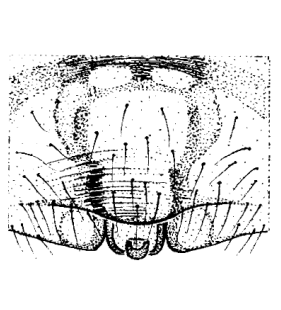
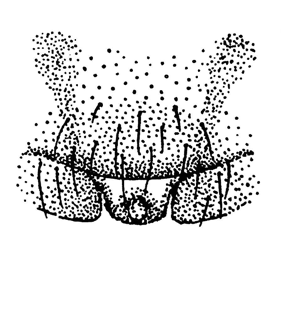
Scapus of epigyne surrounded by semicircular, sclerotised wall; chelicerae with 3 denticles each on anterior and posterior cheliceral margin Bathyphantes parvulus (Westring, 1851)
|
| |||||||||
| -
|
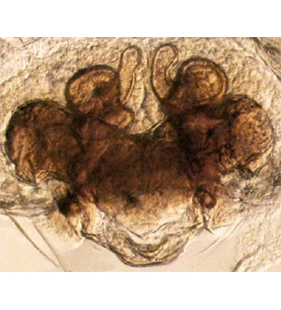
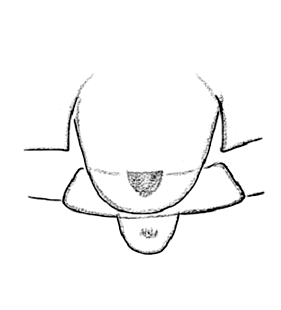
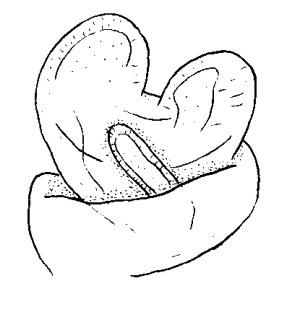
Scapus of epigyne not surrounded by sclerotised wall; epigyne strongly protruding with short scapus, on anterior margin with a small depression Bathyphantes gracilis (Blackwall, 1841)
|
|


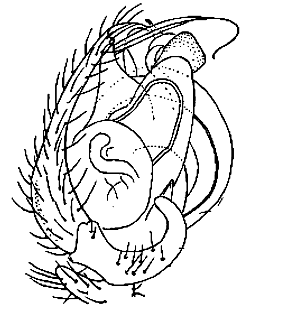
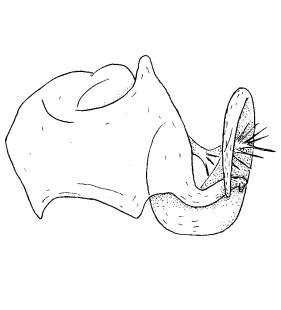
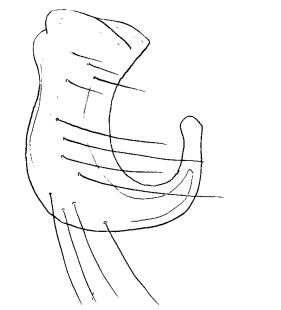
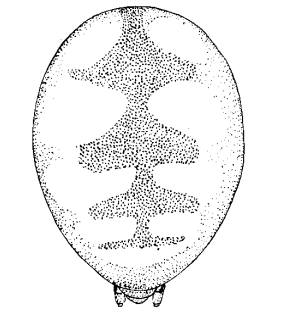
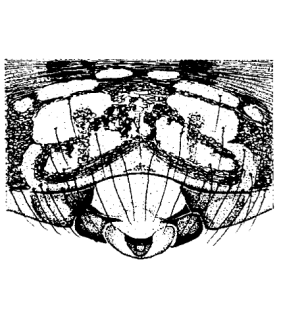
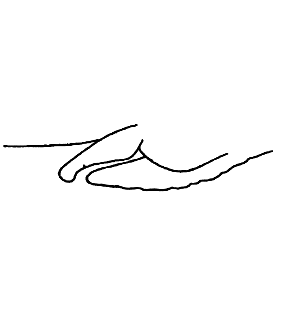
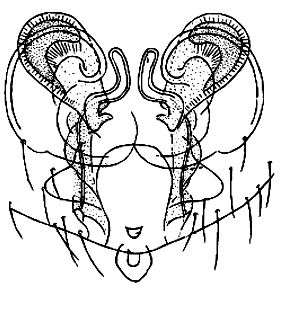
 Pedipalp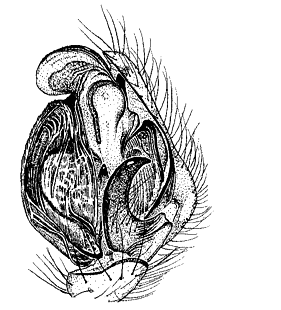
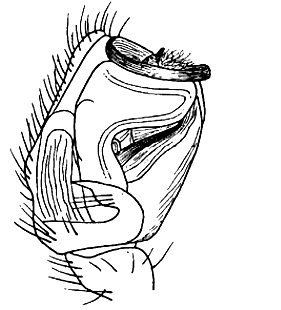
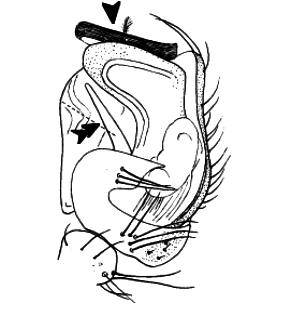
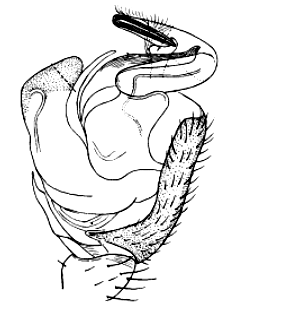
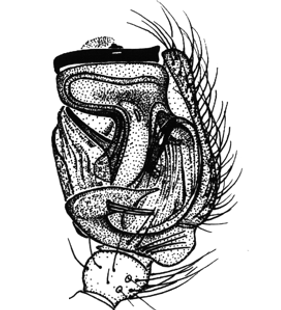
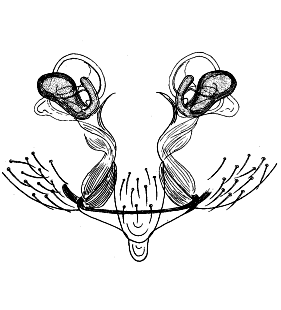
Further taxa
| 1. Bathyphantes eumenis (L. Koch, 1879) |
| |||||||||||||||||||||
| 2. Bathyphantes eumenis buchari Růžička, 1988 |
| |||||||||||||||||||||
| 3. Bathyphantes fragmitis Gnelitsa, 2021 |
| |||||||||||||||||||||
| 4. Bathyphantes humilis (L. Koch, 1879) |
| |||||||||||||||||||||
| 5. Bathyphantes jeniseicus Eskov, 1979 |
| |||||||||||||||||||||
| 6. Bathyphantes reprobus (Kulczyński, 1916) |
| |||||||||||||||||||||
| 7. Bathyphantes vittiger Simon, 1884 |
|